
Bird Nest Removal in Ohio Starts With Which Bird Built It
Bird nest removal on an Ohio house depends on the species, because federal law protects woodpeckers and does not cover starlings or house sparrows.
Calls route by ZIP to an independent operator where one covers the address; where none does, they come to Local Core Group, which runs this site.
Work out which bird it is before anything is touched. Federal law treats a starling in a vent and a woodpecker in the siding very differently, and an active woodpecker nest has to be left until the young are gone. Note where the birds go in, then call the number on this page.
What should I do first about birds nesting in a vent or the siding?
Identify the bird first. European starlings, house sparrows and rock pigeons are outside the Migratory Bird Treaty Act. Woodpeckers and chimney swifts are protected by it. Note whether the birds are in a vent, the attic, the siding or the chimney, then call the number on this page. The request goes through this referral service to an independent operator when one works at your address, which is settled on the call.
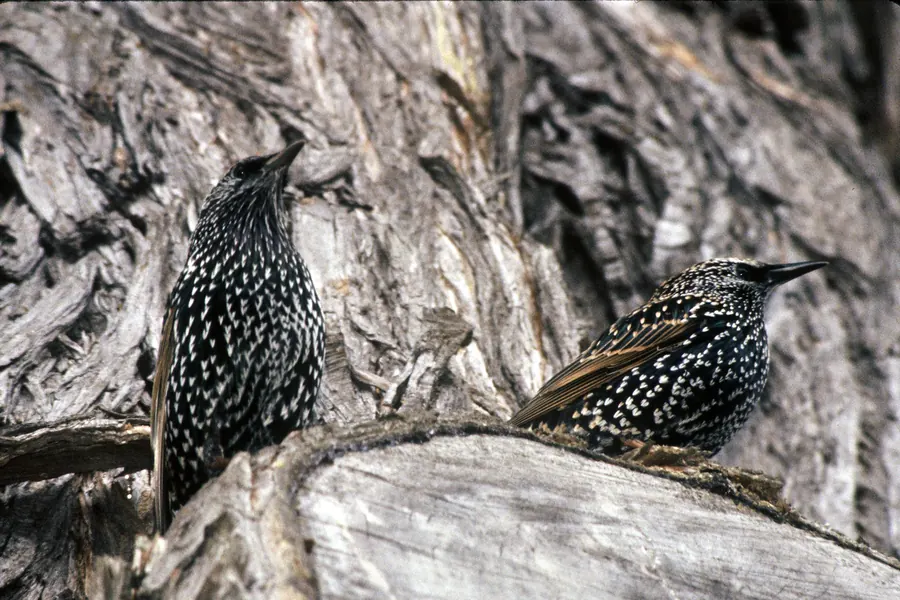
Which bird is it, and does federal law protect it?
The U.S. Fish and Wildlife Service says the Migratory Bird Treaty Act “prohibits the take (including killing, capturing, selling, trading, and transport) of protected migratory bird species without prior authorization” from the Service. A 2004 amendment limits the Act to migratory birds that are native to the United States or its territories.
That native test is why two birds in the same wall can have opposite status.
| Bird | Migratory Bird Treaty Act | Source |
|---|---|---|
| European starling | Does not apply | Federal Register list, April 16, 2020 |
| House sparrow | Does not apply | Federal Register list, April 16, 2020 |
| Rock pigeon | Does not apply | Federal Register list, April 16, 2020 |
| Downy woodpecker, red-bellied woodpecker, northern flicker | Protected | 50 CFR 10.13 |
| Chimney swift | Protected | 50 CFR 10.13; U.S. Fish and Wildlife Service |
State rules sit on top of the federal ones. The operator who takes the job answers for both.
Can I remove starlings or sparrows from a vent in Ohio?
The federal Act is not what stops you. Starlings and house sparrows are on the U.S. Fish and Wildlife Service’s list of birds the Migratory Bird Treaty Act does not apply to, published in the Federal Register on April 16, 2020.
Two cautions. First, the bird has to be identified. The Act applies to migratory birds that are native, so a different bird in the same vent may be covered. Second, this site has not read a state rule on starling or sparrow nests and found none in the sources it has read. That is not the same as there being none.
Note which vent it is, whether birds are still going in and out, and whether you can hear young.
What can be done about a woodpecker drilling my Ohio house?
The timing decides it. The U.S. Fish and Wildlife Service says the Migratory Bird Treaty Act protects woodpeckers. The downy woodpecker, the red-bellied woodpecker and the northern flicker are all on the federal list of protected birds.
The Service gives the calendar. Drilling for nest cavities “usually occurs in the early spring, although some drilling occurs in the fall.” If a nest is already active, control has to wait until the young leave for good, which it says is usually around midsummer and varies by species.
On what works, the Service’s words are: “Physical exclusion is probably the most effective control method.” A depredation permit exists for some woodpecker species as a last resort. The Service says permits are issued only if non-lethal methods have been tried and have failed.
What about birds in the chimney?
They may be chimney swifts. The U.S. Fish and Wildlife Service says the chimney swift is protected by the Migratory Bird Treaty Act, along with its eggs and its nests.
The Service says swifts arrive in the United States in March or April and leave in August or September. For most of the country it advises cleaning chimneys between September or October and March or April, outside that season.
The chimney page covers chimney swifts and flues.
What does bird work on a house involve?
An operator inspects the house and explains the plan on the call. Two parts of any plan are fixed by the federal sources above: an active nest of a protected bird is left until the young are gone, and for woodpeckers the Service calls physical exclusion probably the most effective control method.
Questions worth asking the operator who takes the job:
- Which bird it is, and how that was confirmed.
- Whether the nest is active.
- What will be done at the vent or the siding, and when.
The operator chooses the method and prices the job.
What should I tell the operator about the birds?
Ohio Attic Animal Removal is a referral service run by Local Core Group. It has no field staff and does no bird work. A call to the number on this page is passed to an independent operator when one works at your address, and whether one does is settled on the call. The operator sets the price and answers for its own license and insurance.
Have these ready:
- Where the birds are: a dryer or bath vent, the attic, the siding or the chimney.
- What the bird looks like, or a photo taken from the ground.
- Whether birds are still coming and going, and whether you hear young.
- For a woodpecker, the month the drilling started.
Who to call in four Ohio cities
Each city page says which health department a resident calls about a bat or a bite, and what the city or county does and does not do about an animal in a house. They are information pages; none says an operator works there.
Questions and answers
How do I get birds out of my dryer vent?
Start by identifying the bird. European starlings and house sparrows are outside the Migratory Bird Treaty Act. A native migratory bird in the same vent is covered by it. An operator inspects and explains the plan on the call. Call the number on this page and say which vent it is.
How do I stop a woodpecker damaging my house?
The U.S. Fish and Wildlife Service says physical exclusion is probably the most effective control method. Woodpeckers are protected by the Migratory Bird Treaty Act. If a nest is already active, control has to wait until the young leave for good, which the Service says is usually around midsummer.
Are starlings and house sparrows protected?
Not by the Migratory Bird Treaty Act. Both are on the U.S. Fish and Wildlife Service’s list of birds the Act does not apply to, published April 16, 2020, along with the rock pigeon. This site has not read a state rule on their nests and found none in the sources it has read.
When do woodpeckers drill nest holes?
The U.S. Fish and Wildlife Service says drilling for nest cavities usually happens in early spring, with some drilling in the fall.
Do birds carry rabies?
No. Summit County Public Health’s rabies leaflet says birds do not carry rabies.
Sources for this page
Each link opens the page a fact on this page came from, with the date it was read. Agency pages change; the date shows which version this site saw.
- Migratory Bird Treaty Act of 1918U.S. Fish and Wildlife Service
- List of Bird Species To Which the Migratory Bird Treaty Act Does Not Apply (85 FR, Apr 16, 2020)U.S. Fish and Wildlife Service (Federal Register)
- Woodpeckers and your home (FWS story)U.S. Fish and Wildlife Service
- 50 CFR 10.13 List of Birds Protected by the Migratory Bird Treaty Act (current)U.S. Fish and Wildlife Service (eCFR, Office of the Federal Register)
- Chimney Swifts (FWS story)U.S. Fish and Wildlife Service
- Rabies Information for You & Your Pets (tri-fold, Rev Jan 2023, PDF)Summit County Public Health
How this page was checked
- Last checked
- , by Local Core Group, against the sources listed here
- How pages are made
- How this site’s pages are researched and written
- Sources
- Every source the site uses is on one page: all sources
This page is general information for Ohioans, not advice about one house. It was written from the sources listed and does not replace a health department or a doctor; state wildlife rules apply to any work on the house, and the operator who takes the job answers for them. Agency pages, phone numbers and procedures change, so check the linked source before you act on a detail.
Corrections. If a sentence here is wrong or out of date, name the page and the sentence in a message through the contact form or call 614-767-5459. An error that checks out against the source is corrected, and the date above changes with it.
Other pages that may fit
Animals in the Chimney
Scratching or chirping in the flue. Raccoons with young, protected chimney swifts, and what waits until the birds have gone.
Animals in the chimney →Animals in the Attic
Not sure what is up there. The season narrows the animal, with the Ohio source for each clue.
Animals in the attic →Attic Insulation Removal and Cleanup
Soiled insulation, bat droppings, raccoon latrines and mouse nests: what health sources say, and what to ask an operator.
Attic cleanup →Call to reach an operator about birds in a vent or wall
Give the sound, the part of the house and your ZIP code. The request goes to an independent operator when one works at that address, and the two of you settle the visit and the price.